Legal & Tax Disclosure
ATTORNEY ADVERTISING. This article is provided for general informational purposes only and does not constitute legal, financial, or tax advice. Reading this content does not create an attorney-client or professional advisory relationship. Laws vary by jurisdiction and are subject to change. You should consult a qualified professional regarding your specific circumstances. |
Emily just received the most devastating news: her daughter, battling a long illness, has unexpectedly passed away, leaving behind a seven-year-old son, Leo. Emily desperately wants to raise Leo, but his paternal grandparents are now attempting to secure guardianship, arguing they are better suited to provide stability. Emily fears a costly and emotionally draining court battle. She needs to understand her rights and whether grandparents have an automatic advantage in these situations. The financial and emotional toll of a protracted legal fight could be immense.
Grandparents seeking guardianship of a minor is a surprisingly common scenario, often arising from complex family dynamics or parental incapacity. While grandparents certainly can petition for guardianship, it’s rarely a straightforward process, and they don’t automatically prevail. California law prioritizes the best interests of the child, and while a grandparent’s relationship with the child is a significant factor, it’s not the only one. The court will undertake a thorough evaluation, considering several crucial elements.
First, the court must determine if the existing parents are unable or unfit to care for the child. This doesn’t necessarily mean death, as in Emily’s case, but also situations involving incarceration, severe illness, substance abuse, or neglect. If a parent is still capable, the grandparent must demonstrate a substantial detriment to the child if guardianship isn’t granted – meaning simply wanting to provide an alternative home isn’t enough. In Emily’s case, the death of her daughter removes that parental obstacle, significantly strengthening her position. However, the paternal grandparents still have a legitimate claim and will be able to present their own case for why they believe they are the best fit.
A key distinction exists between “guardianship of the person” and “guardianship of the estate.” Guardianship of the person grants authority over the child’s physical care, education, and upbringing. Guardianship of the estate manages the child’s property and assets. It’s possible for the court to split these responsibilities, although it’s less common. Often, grandparents primarily seek guardianship of the person, especially when the child’s finances are relatively straightforward.
The legal process involves filing a petition with the probate court, serving notice on all interested parties (including the other parent, if living, and any other potential guardians), and attending a hearing. The court will likely appoint a court investigator to interview the child, parents, and potential guardians, and to assess the overall home environment. This investigator’s report carries significant weight with the judge. Evidence presented at the hearing can include testimony, documents, and reports from professionals involved in the child’s life – teachers, doctors, therapists.
Navigating this process requires a deep understanding of California Probate Code, particularly sections relating to guardianship and the best interests of the child standard. As an Estate Planning Attorney and CPA with over 35 years of experience, I’ve frequently observed that families embroiled in these disputes often underestimate the complexity of the legal proceedings and the importance of proper documentation. My background as a CPA also provides a unique perspective, particularly if significant assets are involved. Understanding the step-up in basis for inherited assets, potential capital gains implications, and proper valuation of estate assets can be crucial in ensuring the child’s financial future is protected, regardless of who obtains guardianship.
What happens if a child receives inheritance? Often, a testamentary trust is the best way to manage funds for a minor, and the terms of that trust will dictate how those funds are used for the benefit of the child. The guardian may or may not be the trustee, and the laws governing trusts are separate from those governing guardianship.
Furthermore, grandparents need to be aware of the Uniform Child Custody Jurisdiction and Enforcement Act (UCCJEA). This federal law dictates which state has jurisdiction over custody and guardianship proceedings, preventing conflicting orders from multiple states. If the parents lived in different states, or if the child has been exposed to multiple jurisdictions, determining the proper venue can be complex.
If the parents have already established a Trust, the terms of that Trust may provide instructions regarding guardianship. Sometimes, a parent will name a preferred guardian in their Trust document, which the Court will give significant weight.
Finally, it’s essential to address digital assets. Increasingly, a child’s life exists online – social media accounts, gaming platforms, photos, and videos. RUFADAA (codified in California Probate Code §§ 870–884) grants executors and trustees legal authority to manage a deceased person’s digital accounts, provided the decedent gave explicit ‘written direction’ in their Will, Trust, or via an online tool (like Google’s Inactive Account Manager). Ensuring access to these accounts is crucial for maintaining continuity in the child’s life.
What makes a California will legally enforceable when it matters most?

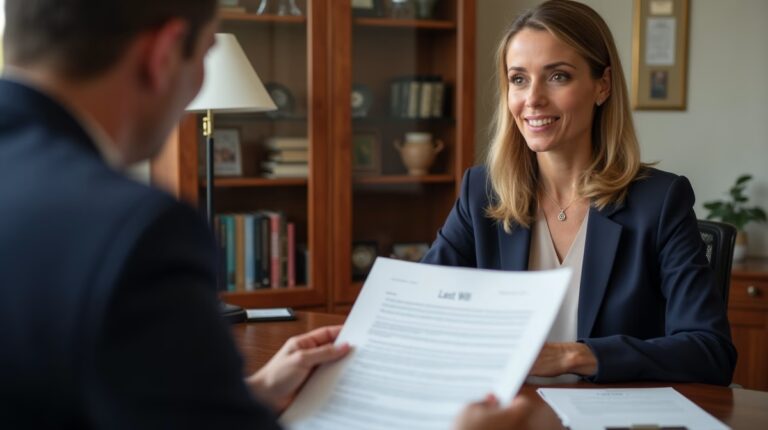
In California, a last will and testament is reviewed under probate standards that focus on intent, capacity, and execution. Clear drafting reduces ambiguity, limits misinterpretation, and helps families avoid unnecessary conflict during estate administration.
To create a valid document, you must ensure the signer has legal capacity, strictly follow California will rules, and ensure you are correctly naming the testator to prevent identity disputes.
For California residents, understanding how intent, authority, and compliance interact is one of the most effective ways to protect family harmony and estate integrity. A will that anticipates probate scrutiny is far more likely to be honored as written and far less likely to become the source of unnecessary conflict.
Official Legal Mandates and Resources for California Guardianship
-
Mandatory Judicial Forms:
Judicial Council of California – Guardianship Forms (GC Series)
Access the complete library of “GC” (Guardianship and Conservatorship) forms required for filing a petition in California. In 2026, this remains the official source for mandatory background screening forms and the specific notices required for relatives under the Probate Code. -
Self-Help Procedural Guide:
California Courts – Guardianship Self-Help
An official judicial resource providing step-by-step instructions for families seeking legal custody. This guide explains the critical 2026 distinctions between Guardianship of the Person (physical care and health) and Guardianship of the Estate (financial management of the minor’s assets). -
Acknowledgment of Fiduciary Duties:
Duties of Guardian (Form GC-248)
The mandatory Judicial Council document that every prospective guardian must sign. It acknowledges your legal obligations regarding the minor’s education, health, and welfare, and establishes your ongoing accountability to the California Probate Court. -
Statutory Standard of Proof:
Probate Code § 1514 / Family Code § 3041
The definitive statutory authority governing contested guardianships. It stipulates that a non-parent can only be appointed if it is proven—under the “Clear and Convincing” evidence standard—that remaining in parental custody would be detrimental to the child’s best interests.
Attorney Advertising, Legal Disclosure & Authorship
ATTORNEY ADVERTISING. This content is provided for general informational and educational purposes only and does not constitute legal, financial, or tax advice. Under the California Rules of Professional Conduct and State Bar advertising regulations, this material may be considered attorney advertising. Reading this content does not create an attorney-client relationship or any professional advisory relationship. Laws vary by jurisdiction and are subject to change, including recent 2026 developments under California’s AB 2016 and evolving federal estate and reporting requirements. You should consult a qualified attorney or advisor regarding your specific circumstances before taking action.
Responsible Attorney: Steven F. Bliss, California Attorney (Bar No. 147856).
Local Office:
The Law Firm of Steven F. Bliss Esq.43920 Margarita Rd Ste F Temecula, CA 92592 (951) 223-7000
The Law Firm of Steven F. Bliss Esq. is a practice location and trade name used by Steven F. Bliss, Esq., a California-licensed attorney.
About the Author & Legal Review Process
This article was researched and drafted by the Legal Editorial Team of the Law Firm of Steven F. Bliss, Esq., a collective of attorneys, legal writers, and paralegals dedicated to translating complex legal concepts into clear, accurate guidance.
Legal Review: This content was reviewed and approved by Steven F. Bliss, a California-licensed attorney (Bar No. 147856). Mr. Bliss concentrates his practice in estate planning and estate administration, advising clients on proactive planning strategies and representing fiduciaries in probate and trust administration proceedings when formal court involvement becomes necessary.
With more than 35 years of experience in California estate planning and estate administration, Mr. Bliss focuses on structuring enforceable estate plans, guiding fiduciaries through court-supervised proceedings, resolving creditor and notice issues, and coordinating asset management to support compliant, timely distributions and reduce fiduciary risk. |