This article is provided for general informational purposes only and does not constitute legal, financial, or tax advice.
Reading this content does not create an attorney-client or professional advisory relationship.
Laws vary by jurisdiction and are subject to change. You should consult a qualified professional regarding your specific circumstances.
Emily just received notice of her mother’s probate hearing, and she’s panicking. Not about the legal issues—she’s hired counsel—but about what to wear. She envisions a courtroom drama and is convinced her outfit will make or break the judge’s perception of her case, potentially costing her thousands in lost inheritance. This is a surprisingly common concern for my clients.
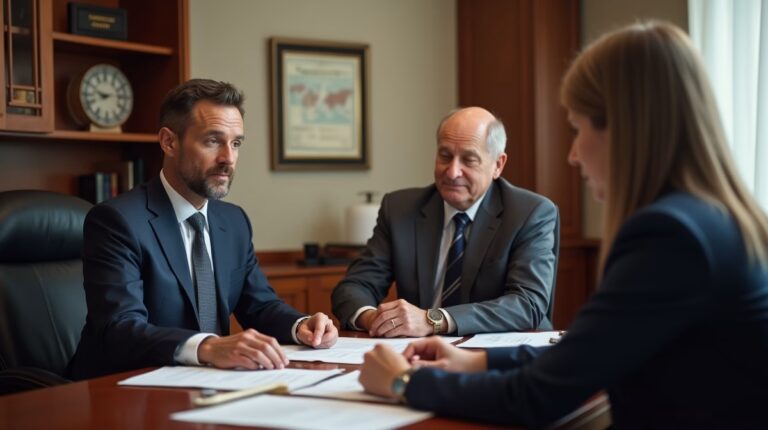
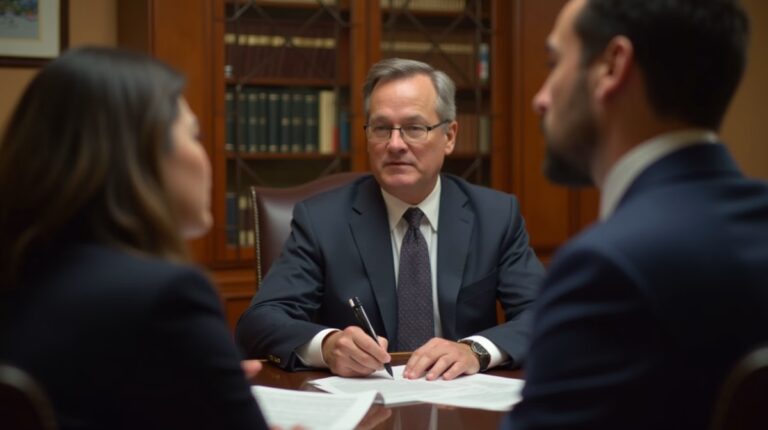
Let’s address this directly. While probate court isn’t typically a fashion show, presenting yourself respectfully is absolutely crucial. It’s about demonstrating seriousness and respect for the court, the process, and ultimately, your mother’s estate. The goal isn’t to impress anyone with designer labels, but to avoid distractions that might undermine your credibility.
Is There a Formal Dress Code for Probate Court?
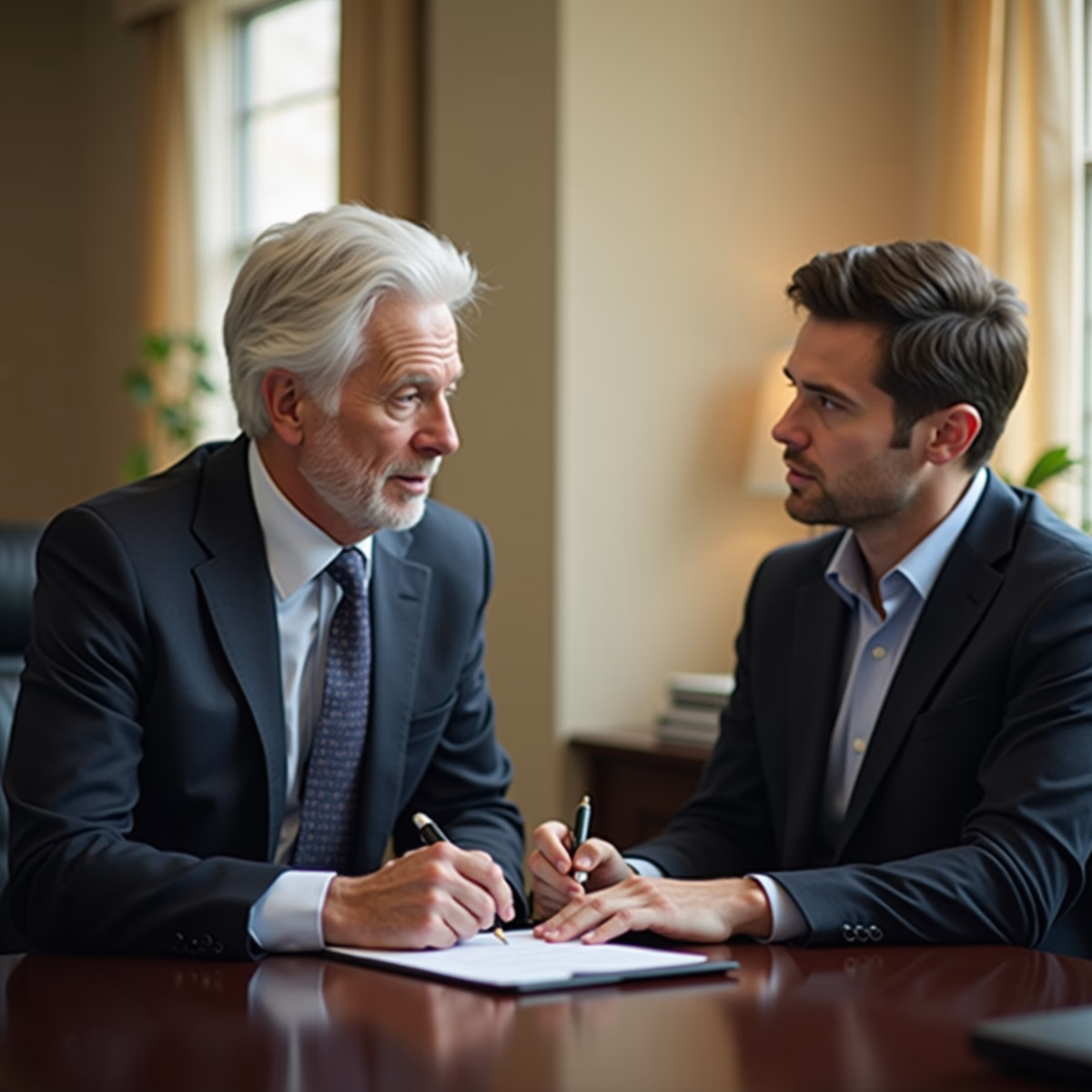
There isn’t a strict, written dress code for probate hearings in California. However, the unwritten rule is “business casual,” leaning towards business professional, especially if the hearing involves contested issues. Think of it as an elevated version of what you’d wear to an important meeting with a client or a job interview. Avoid anything overly casual, revealing, or potentially disruptive. A safe bet is to dress as if you’re attending a conservative office environment.
What Specifically Should I Avoid Wearing?
- Strongly Avoid: Jeans, shorts, t-shirts, athletic wear, flip-flops, or overly revealing clothing. These signal a lack of seriousness and can be interpreted as disrespect.
- Minimize: Bright colors or distracting patterns. You want the focus to be on your testimony or arguments, not your wardrobe. Neutrals like navy, gray, black, and muted tones are generally best.
- Consider: The weather. Layering is a good idea, as courtrooms can sometimes be chilly. A blazer or sweater over a blouse or dress shirt is a versatile option.
What About Shoes?
Closed-toe shoes are the safest choice. Avoid high heels that are excessively flashy or uncomfortable, as you may be required to stand for extended periods. Comfort is important, but professionalism should take precedence. Loafers, flats, or low-heeled pumps are all appropriate options.
Accessories and Grooming – What’s Appropriate?
Keep accessories minimal. A simple necklace or earrings are fine, but avoid anything overly large or distracting. Ensure your hair is neat and well-groomed. Subtle makeup is acceptable, but avoid anything dramatic. Remember, you want the judge and other parties to focus on the merits of your case, not on your appearance. This isn’t about vanity; it’s about presenting a polished and credible image.
What If I’m Appearing Remotely (Via Zoom)?
The same principles apply, even if you’re attending the hearing via Zoom. While you may be tempted to get away with a slightly more casual look from the waist down, dress fully in business casual attire. You never know when you might need to stand up, and the judge can see you from the waist up. Code of Civil Procedure § 367.75 allows for remote appearances, but it doesn’t excuse a lack of professionalism.
What If I’m a Witness at the Hearing?
If you are a witness, the advice remains the same. While the court won’t necessarily prevent you from testifying if you’re dressed casually, it’s generally frowned upon. The judge may subtly (or not so subtly) convey their disapproval, and it could impact how your testimony is perceived. Remember, Probate Code § 1022 dictates that most hearings rely on affidavits, but a live witness is possible. If you are called to testify, dress as you would for any formal legal proceeding.
As an estate planning attorney and CPA with over 35 years of experience in Temecula, California, I’ve seen firsthand how seemingly minor details, like attire, can influence a judge’s perception. While competence and a well-prepared legal argument are paramount, presenting yourself respectfully demonstrates that you take the process seriously and are committed to a fair outcome. As a CPA, I also understand the financial implications of probate, and preserving your inheritance is a top priority. Don’t underestimate the power of a professional appearance.
How do enforcement rules in California probate court shape outcomes for heirs and fiduciaries?
California probate is designed to provide court-supervised transfer of property, yet cases often break down when authority is unclear, required steps are missed, or disputes arise over assets, notice, and fiduciary conduct. When the process is misunderstood, families can face avoidable delay, escalating conflict, and increased exposure to creditor issues, hearings, or litigation before the estate can close.
| Duty | Compliance Check |
|---|---|
| Fiduciary Role | Review executor and administrator duties. |
| Bad Acts | Avoid breach of fiduciary duty. |
| Protections | Understand beneficiary rights. |
California probate is most manageable when authority is documented early, assets are classified correctly, and procedure is followed consistently from petition through closing. When the process is approached with realistic expectations about notice, claims, accounting, and dispute risk, the estate is more likely to move toward closure without avoidable conflict or delay.
Verified Authority on California Probate Hearings
-
Oral Objections (The “Stop” Button): California Probate Code § 1043
This is the most important statute for beneficiaries. It grants an interested person the right to appear at the hearing and object orally to the petition. Once an oral objection is made, the court generally must continue the hearing to allow time for written objections to be filed. -
Remote Appearances (Zoom/CourtCall): California Code of Civil Procedure § 367.75
Modern probate hearings are often hybrid. This code section governs the right to appear remotely. While convenient, note that the court can typically require a physical appearance for “evidentiary” hearings where witness credibility is being judged. -
Affidavits as Evidence: California Probate Code § 1022
Unlike criminal court, probate hearings rely heavily on paper. A verified petition or an affidavit is admissible as evidence in an uncontested probate hearing. This is why “clearing your notes” in writing is more important than your oral argument. -
Notice of Hearing Requirements: California Probate Code § 1220
The court’s jurisdiction depends on this. The petitioner must mail notice of the hearing at least 15 days in advance to all interested parties. If the “Proof of Service” is not filed or is defective, the judge cannot legally hold the hearing. -
Lodging the Proposed Order: California Rules of Court 3.1312
A common rookie mistake is showing up without the paperwork. The “Proposed Order” (the document the judge signs) should generally be lodged with the court before the hearing. If the judge approves your petition but has nothing to sign, your Letters cannot be issued. -
Proving the Will (Witnesses): California Probate Code § 8220
If a Will is contested, or if it is not “self-proving” (lacking a proper attestation clause), the court may require the testimony of a subscribing witness at the hearing to prove the Will is authentic.
|
Attorney Advertising, Legal Disclosure & Authorship
ATTORNEY ADVERTISING.
This content is provided for general informational and educational purposes only and does not constitute legal, financial, or tax advice. Under the California Rules of Professional Conduct and State Bar advertising regulations, this material may be considered attorney advertising. Reading this content does not create an attorney-client relationship or any professional advisory relationship. Laws vary by jurisdiction and are subject to change, including recent 2026 developments under California’s AB 2016 and evolving federal estate and reporting requirements. You should consult a qualified attorney or advisor regarding your specific circumstances before taking action.
Responsible Attorney:
Steven F. Bliss, California Attorney (Bar No. 147856).
Local Office:
The Law Firm of Steven F. Bliss Esq.43920 Margarita Rd Ste F Temecula, CA 92592 (951) 223-7000
The Law Firm of Steven F. Bliss Esq. is a practice location and trade name used by Steven F. Bliss, Esq., a California-licensed attorney.
About the Author & Legal Review Process
This article was researched and drafted by the Legal Editorial Team of the Law Firm of Steven F. Bliss, Esq.,
a collective of attorneys, legal writers, and paralegals dedicated to translating complex legal concepts into clear, accurate guidance.
Legal Review:
This content was reviewed and approved by Steven F. Bliss, a California-licensed attorney (Bar No. 147856). Mr. Bliss concentrates his practice in estate planning and estate administration, advising clients on proactive planning strategies and representing fiduciaries in probate and trust administration proceedings when formal court involvement becomes necessary.
With more than 35 years of experience in California estate planning and estate administration,
Mr. Bliss focuses on structuring enforceable estate plans, guiding fiduciaries through court-supervised proceedings, resolving creditor and notice issues, and coordinating asset management to support compliant, timely distributions and reduce fiduciary risk. |