This article is provided for general informational purposes only and does not constitute legal, financial, or tax advice.
Reading this content does not create an attorney-client or professional advisory relationship.
Laws vary by jurisdiction and are subject to change. You should consult a qualified professional regarding your specific circumstances.
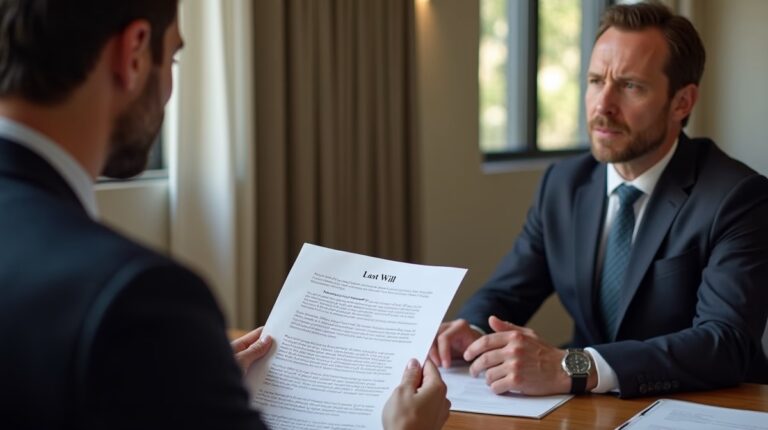
Emily just lost everything. Not because of a legal error, but because a simple miscalculation—arriving at the probate hearing only ten minutes early—allowed opposing counsel to present an unchallenged, damning exhibit. The judge, seeing no one present to counter it, simply granted the petition, and Emily’s inheritance vanished. It wasn’t a complex legal issue, just a failure to control the courtroom calendar. And now, it’s going to cost her tens of thousands in appeal fees just to try and undo the damage.
What Time Should I Actually Be at the Courthouse?
Let’s be brutally honest: “early” is relative, and “on time” is a recipe for disaster in probate court. You need to aim for at least 90 minutes before your scheduled hearing time. I’ve practiced in the Riverside County courts for over 35 years, and as an attorney and CPA, I can tell you that probate calendars are notoriously unpredictable. Cases get unexpectedly called up early, judges run ahead of schedule, and exhibits need to be pre-marked and lodged with the clerk. Failing to account for this chaos is a common and expensive mistake.
Being there early isn’t just about politeness; it’s about control. It gives you time to check in with the clerk, confirm the hearing location (they sometimes change at the last minute), locate the judge’s assistant, and—crucially—observe what’s happening with the cases ahead of yours. You’ll get a feel for the judge’s temperament and the type of questions they’re asking.
What Happens If I’m Late?
The consequences of tardiness can range from inconvenient to catastrophic. If you’re only a few minutes late, the judge may be understanding, but they aren’t obligated to be. They could simply continue the matter, forcing you to reschedule and incurring additional legal fees.
However, if you’re significantly late – say, 30 minutes or more – the judge has the power to proceed in your absence. Probate Code § 1220 is clear: if you missed a hearing because you weren’t told about it, the order may be void. But even if you were properly noticed, habitual tardiness will get you no sympathy. The petitioner can move forward, and you’ll be left scrambling to mitigate the damage, which is exponentially more expensive than simply being prepared.
What About Remote Appearances (Zoom)?
The pandemic dramatically changed probate court procedures, and many of those changes are now permanent. Code of Civil Procedure § 367.75 now permanently allows for remote appearances in probate hearings, provided you give notice. However, the judge retains discretion to require specific personal appearances for evidentiary hearings or trials.
Even with Zoom, the timing rules are the same. Log in at least 30 minutes before the scheduled time to test your audio and video, ensure your internet connection is stable, and troubleshoot any technical issues. A dropped connection or a malfunctioning camera can be as disruptive as being physically late.
What if the Hearing is Continued?
Continuances happen frequently. If your case is continued, make sure you clearly understand the new date, time, and any specific instructions the judge provides. Immediately update your calendar and confirm the new hearing date with the court clerk. Don’t rely on memory or assumptions.
Often, continuances are granted on the spot, and the clerk won’t have time to issue a new notice. It’s your responsibility to ensure all interested parties are informed of the change. This is where having a good attorney is invaluable – we handle these details proactively.
What About Clearing Probate Notes Before the Hearing?
Many hearing delays aren’t caused by legal complexities, but by uncleared “Probate Notes.” These are questions or concerns raised by the Probate Examiner. You cannot simply explain the issue to the judge in court; you MUST file a verified “Supplement to Petition” in writing at least 2-3 court days before the hearing to satisfy the Probate Examiner. This proactively addresses their concerns and streamlines the process.
Ignoring Probate Notes is a critical mistake. It will almost certainly lead to a delay, and potentially, a more adverse outcome. I’ve seen countless estates unnecessarily stalled because of this simple oversight.
-
Priority One: Arrive at least 90 minutes early for in-person hearings.
Digital Readiness: Log in 30 minutes early for Zoom hearings and test your setup.
Note Resolution: Clear all Probate Notes with a “Supplement to Petition” well in advance.
Calendar Confirmation: Double-check the hearing location and time with the clerk.
As a Temecula attorney and CPA for 35+ years, I’ve seen firsthand how seemingly minor logistical errors can derail an estate. A proactive approach to timing and preparation is the best defense against these pitfalls, and the key to protecting your inheritance.
What causes California probate cases to spiral into delay, disputes, and extra cost?
California probate is designed to provide court-supervised transfer of property, yet cases often break down when authority is unclear, required steps are missed, or disputes arise over assets, notice, and fiduciary conduct. When the process is misunderstood, families can face avoidable delay, escalating conflict, and increased exposure to creditor issues, hearings, or litigation before the estate can close.
| Money Matter | Action |
|---|---|
| Debts | Manage creditor claims. |
| Challenges | Handle disputed creditor claims. |
| Overhead | Track fees and costs. |
California probate is most manageable when authority is documented early, assets are classified correctly, and procedure is followed consistently from petition through closing. When the process is approached with realistic expectations about notice, claims, accounting, and dispute risk, the estate is more likely to move toward closure without avoidable conflict or delay.
Verified Authority on California Probate Hearings
-
Oral Objections (The “Stop” Button): California Probate Code § 1043
This is the most important statute for beneficiaries. It grants an interested person the right to appear at the hearing and object orally to the petition. Once an oral objection is made, the court generally must continue the hearing to allow time for written objections to be filed. -
Remote Appearances (Zoom/CourtCall): California Code of Civil Procedure § 367.75
Modern probate hearings are often hybrid. This code section governs the right to appear remotely. While convenient, note that the court can typically require a physical appearance for “evidentiary” hearings where witness credibility is being judged. -
Affidavits as Evidence: California Probate Code § 1022
Unlike criminal court, probate hearings rely heavily on paper. A verified petition or an affidavit is admissible as evidence in an uncontested probate hearing. This is why “clearing your notes” in writing is more important than your oral argument. -
Notice of Hearing Requirements: California Probate Code § 1220
The court’s jurisdiction depends on this. The petitioner must mail notice of the hearing at least 15 days in advance to all interested parties. If the “Proof of Service” is not filed or is defective, the judge cannot legally hold the hearing. -
Lodging the Proposed Order: California Rules of Court 3.1312
A common rookie mistake is showing up without the paperwork. The “Proposed Order” (the document the judge signs) should generally be lodged with the court before the hearing. If the judge approves your petition but has nothing to sign, your Letters cannot be issued. -
Proving the Will (Witnesses): California Probate Code § 8220
If a Will is contested, or if it is not “self-proving” (lacking a proper attestation clause), the court may require the testimony of a subscribing witness at the hearing to prove the Will is authentic.
|
Attorney Advertising, Legal Disclosure & Authorship
ATTORNEY ADVERTISING.
This content is provided for general informational and educational purposes only and does not constitute legal, financial, or tax advice. Under the California Rules of Professional Conduct and State Bar advertising regulations, this material may be considered attorney advertising. Reading this content does not create an attorney-client relationship or any professional advisory relationship. Laws vary by jurisdiction and are subject to change, including recent 2026 developments under California’s AB 2016 and evolving federal estate and reporting requirements. You should consult a qualified attorney or advisor regarding your specific circumstances before taking action.
Responsible Attorney:
Steven F. Bliss, California Attorney (Bar No. 147856).
Local Office:
The Law Firm of Steven F. Bliss Esq.43920 Margarita Rd Ste F Temecula, CA 92592 (951) 223-7000
The Law Firm of Steven F. Bliss Esq. is a practice location and trade name used by Steven F. Bliss, Esq., a California-licensed attorney.
About the Author & Legal Review Process
This article was researched and drafted by the Legal Editorial Team of the Law Firm of Steven F. Bliss, Esq.,
a collective of attorneys, legal writers, and paralegals dedicated to translating complex legal concepts into clear, accurate guidance.
Legal Review:
This content was reviewed and approved by Steven F. Bliss, a California-licensed attorney (Bar No. 147856). Mr. Bliss concentrates his practice in estate planning and estate administration, advising clients on proactive planning strategies and representing fiduciaries in probate and trust administration proceedings when formal court involvement becomes necessary.
With more than 35 years of experience in California estate planning and estate administration,
Mr. Bliss focuses on structuring enforceable estate plans, guiding fiduciaries through court-supervised proceedings, resolving creditor and notice issues, and coordinating asset management to support compliant, timely distributions and reduce fiduciary risk. |